

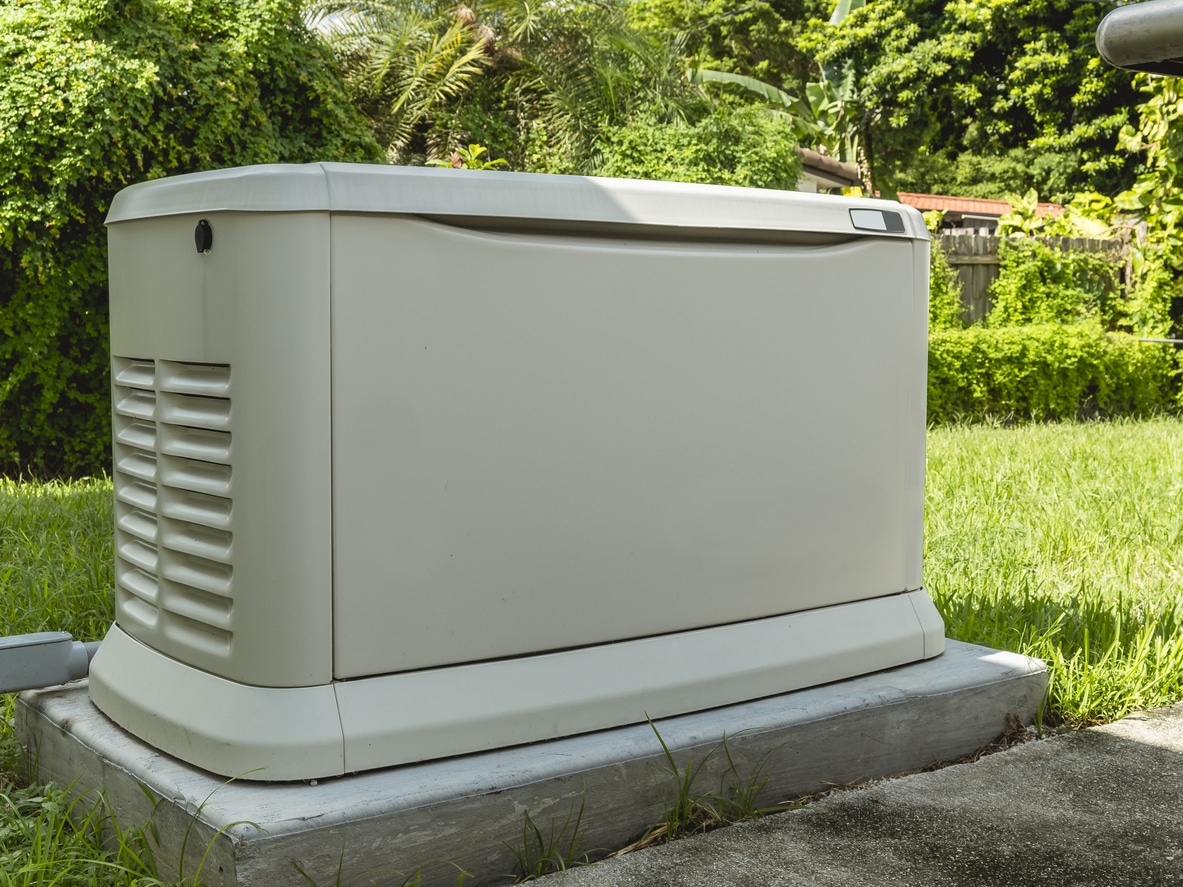
When the power goes out in Northwest Washington, the question isn’t just whether you need backup power; it’s which type of backup power fits your home. The debate between a portable vs. a standby generator comes down to how much power you need, how often outages hit your area, and how hands-on you want to be during a storm.
Heavy rain, high wind, and winter cold all put pressure on the regional grid, and outages can last hours or days. We’re breaking down the differences in cost, convenience, power capacity, and safety so you can choose the generator installation that keeps your home running.
Portable vs Standby Generators Quick Summary
- Portable generators cost less upfront but require manual setup, fuel refills, and outdoor operation during every outage.
- A home standby generator is installed permanently, detects outages automatically, and restores power within seconds.
- Standby systems handle far more electrical load, often enough to run an entire house.
- Portable units pose a higher risk of carbon monoxide if used incorrectly, whereas standby generators are installed to code by licensed electricians.
- Most homeowners find that standby generator installation pays off through added convenience, safety, and property value.
What’s the Difference Between Portable and Standby Generators?
Portable Generators: Built for Occasional, Manual Backup
A portable generator is a wheeled or handheld unit you set up outside and connect to specific appliances using extension cords or a manual transfer switch. It runs on gasoline or propane and needs to be started, fueled, and monitored by hand every time the power drops.
Portable units work well for homeowners who experience infrequent outages or want a lower-cost option for camping, job sites, or short-term emergencies. The tradeoff is convenience: someone has to be home to set it up, and it won’t kick on automatically overnight or while you’re away.
Standby Generators: Automatic, Whole-Home Coverage
A home standby generator is a permanent appliance installed outside your house, wired directly into your electrical panel. It monitors utility power around the clock, and when an outage hits, it starts within seconds, powering your home automatically, even if no one is there.
Because standby units run on natural gas or propane, they don’t need refueling and can keep running for as long as the outage lasts. This makes them the go-to choice for homeowners who rely on medical equipment, well pumps, or home offices that can’t afford downtime.
Comparing Cost, Convenience, Power, and Safety
How Much Does Each Option Cost?
Portable generators typically cost a few hundred to around $2,000, depending on wattage, with no installation required. A whole-house standby generator installation generally costs $8,000 to $16,000, depending on the unit, wiring, fuel type, and site preparation, such as a concrete or gravel pad.
The higher upfront cost of a standby system often balances out over time. It adds resale value, requires far less day-to-day maintenance, and removes the need to buy fuel or replace a unit every few years.
Which Option Is More Convenient?
Convenience is where standby generators separate themselves. Consider what each option asks of you during an outage:
- Portable generator: Haul the unit outside, add fuel, start it manually, run extension cords, and monitor it throughout the outage.
- Standby generator: Do nothing. The system detects the outage and restores power automatically within seconds.
For homeowners who travel, work from home, or simply want one less thing to manage during a storm, that hands-off reliability is a major selling point.
How Much Power Can Each Generator Handle?
Power capacity is one of the clearest differences between the two options:
- Portable generators generally produce 3,000 to 8,500 watts, enough for a refrigerator, some lighting, and a few essential outlets.
- Essential coverage standby systems run from 5,000 to 7,500 watts, covering refrigeration, lighting, and basic outlets.
- Whole-house standby generators provide 22,000 watts or more, powering central air conditioning, electric ovens, laundry appliances, and everything in between.
A professional load assessment is the best way to confirm exactly how much wattage your home needs, whether you’re leaning toward a portable unit or a full standby generator installation.
Which Option Is Safer?
Portable generators carry real safety risks if they aren’t used correctly. Running one indoors, in a garage, or too close to windows and vents can allow carbon monoxide to build up quickly, and the Centers for Disease Control and Prevention warns that generator-related CO poisoning sends more than 100,000 people to emergency rooms every year.
Standby generators reduce that risk substantially. They’re installed outdoors by licensed electricians who follow strict placement, clearance, and code requirements, including keeping the unit at least 5 feet from openings and 4 feet from your home’s structure. Every EMC Electric installation is completed in accordance with Washington State and local codes, from permitting through final inspection.
Is a Standby Generator Worth the Investment?
For most Northwest Washington homeowners, a home standby generator offers the strongest long-term value. Here’s why it’s worth the higher upfront cost for many households:
- Automatic protection. Power restores within seconds, even if you’re away from home.
- Whole-home capacity. Systems can be sized to run everything from HVAC to kitchen appliances.
- Built for the region. Weather-resistant enclosures and proper placement withstand Pacific Northwest rain, wind, and cold.
- Less hands-on maintenance. A single annual service visit, ideally before winter storm season, keeps the system ready.
- Added home value. A professionally installed standby generator is a selling point for future buyers.
Choosing the Right Backup Power Solution for Your Home
Whether you go with a portable unit for occasional use or invest in a home standby generator for full automatic protection, the right choice comes down to your budget, power needs, and how much control you want during an outage. Standby systems offer the strongest combination of convenience, capacity, and safety for homeowners who want to be ready for anything the Pacific Northwest weather brings.
Ready to Install a Standby Generator?
EMC Electric has helped Northwest Washington homeowners stay powered through storms and outages for over 27 years. Contact us today or call (360) 340-9053 to schedule your free generator estimate and load assessment.