

When winter rolls in, homeowners brace for shorter days, colder nights, and—unfortunately—higher utility bills. But here’s a bright fact: even during the chilliest months, solar energy can significantly reduce your heating costs. According to the U.S. Department of Energy, solar power now accounts for over 6% of the nation’s electricity generation and continues to grow, even in states that experience harsh winters.
So, if you’ve been wondering whether residential solar panels are worth it when the snow falls, the answer is a confident yes. Let’s explore how solar power keeps your home energy-efficient all year long—and why investing in renewable energy systems during winter is smarter than you might think.
Myth: Solar Doesn’t Work in Winter
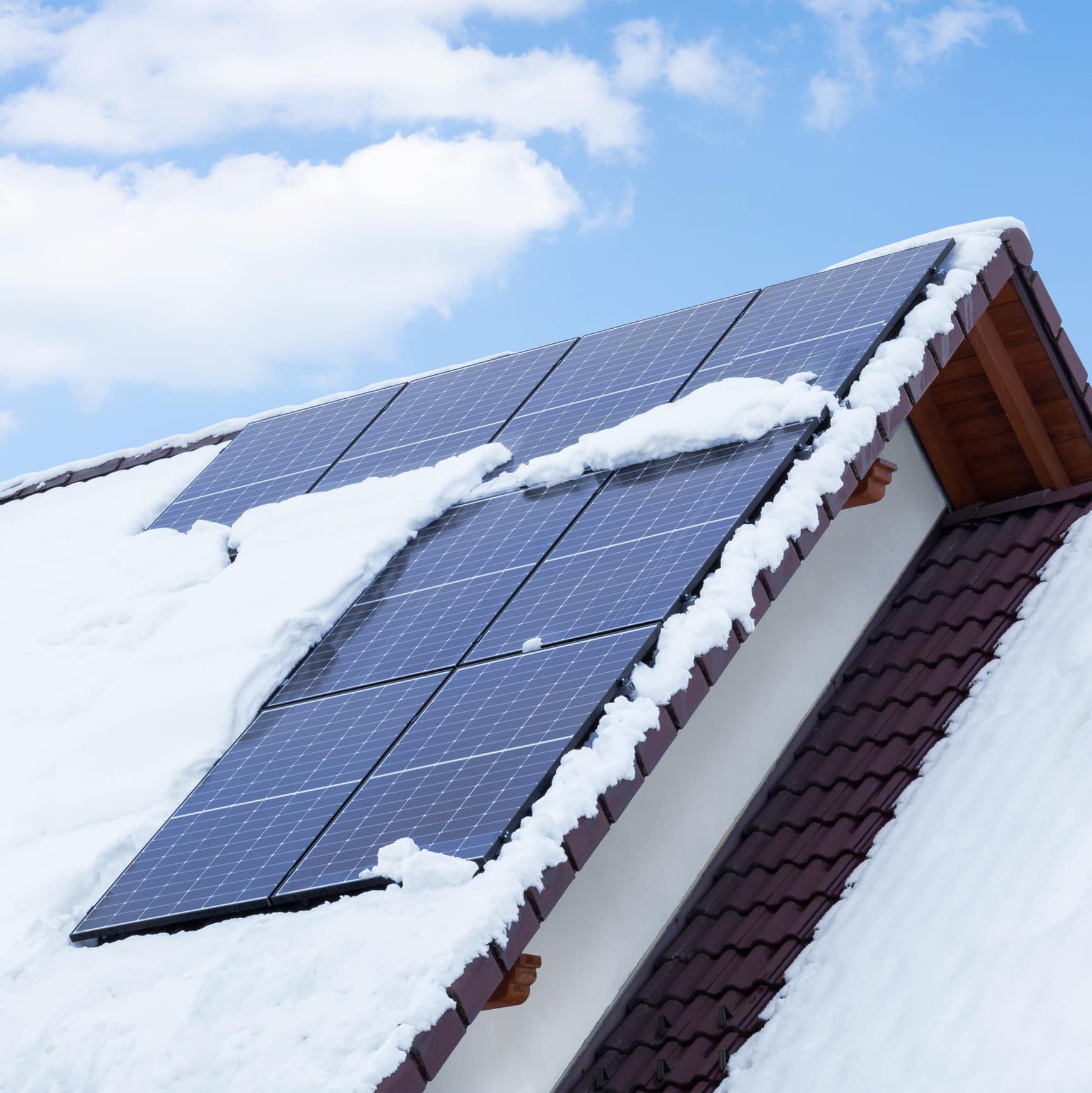
Many homeowners assume that snow renders solar panels useless during winter. The truth is quite the opposite. In snowy regions, solar panels can actually benefit from light reflection, a phenomenon known as the albedo effect. Snow’s bright surface bounces additional sunlight onto the panels, increasing the amount of light absorbed and boosting overall energy production once panels are clear of snow.
Most modern solar systems are installed at an angle, which naturally helps snow slide off, minimizing downtime. And because solar panels perform more efficiently in cooler temperatures, homeowners in Washington can count on consistent performance even through cold, snowy months.
With professional installation from EMC Electric, your solar energy system is designed to take advantage of Washington’s winter climate—delivering reliable power and long-term savings, no matter the weather.
Winter Energy Savings: How It Works
During winter, heating systems often become the largest contributor to your energy bills. However, when solar panels are producing electricity—even in smaller amounts—they can offset that demand. Here’s how solar contributes to winter energy savings:
- Net Metering Advantage: Most utility companies in Washington offer net metering, allowing you to earn credits for the extra energy your solar panels generate during sunny months. In winter, you can use those credits to offset your higher usage—keeping your monthly costs low and predictable.
- Lower Dependence on Fossil Fuels: By producing your own power, you reduce the amount of electricity you need from the grid, much of which comes from nonrenewable sources. This means cleaner energy for your home and fewer carbon emissions.
- Stable Long-Term Energy Costs: As energy rates continue to rise, homeowners with solar systems enjoy consistent savings. Your investment in a renewable energy system pays off through decades of reduced utility costs.
Maximizing Winter Solar Energy Production
Winter sunlight may be less intense, but with the right strategy, your solar panels can still operate efficiently. Here are a few practical tips to get the most from your system during the colder months:
- Keep Panels Clear of Snow and Debris: Snow can temporarily reduce panel output, so gently brush off accumulations using a soft, extendable tool. Avoid sharp instruments that could damage the surface.
- Optimize Panel Angle and Orientation: The sun sits lower in the sky during winter, which means adjusting your panel tilt can improve exposure. Professional solar installers can optimize the angle for year-round performance.
- Monitor System Performance: Many modern solar systems include monitoring software that tracks production in real time. Keep an eye on performance to detect and address issues early.
- Trim Nearby Trees: With shorter days, every bit of sunlight counts. Trim branches or foliage that cast shadows on your panels.
- Schedule Routine Maintenance: A quick seasonal inspection from one of the best solar installers in Washington, like EMC Electric, ensures your system is operating at peak efficiency when you need it most.
The Long-Term Financial Benefits of Solar Energy
Solar energy isn’t just a short-term solution for winter savings—it’s a long-term investment in your home’s future. Here are a few of the biggest financial benefits:
- Increased Property Value: Homes equipped with residential solar panels often sell for more than those without. Buyers value the promise of lower utility bills and sustainable living.
- Federal and State Incentives: Homeowners can take advantage of solar tax credits and local incentives, significantly lowering home solar installation cost. In Washington, various programs support renewable energy adoption, further improving your return on investment.
- Decades of Energy Independence: Solar panels typically last 25–30 years with minimal maintenance. That’s decades of reliable power, protection from rate hikes, and predictable savings.
FAQS: Questions You May Have About Solar Installation in Washington
Can solar panels still save money in winter?
Yes. Solar panels generate power from sunlight, not just heat, and even with shorter days they still offset grid electricity, helping you save on heating and lighting costs.
Do solar panels work when it’s cloudy or snowy?
Absolutely. Modern panels capture diffused light, so cloudy days still produce electricity. Snow may reduce output temporarily, but many systems continue operating and snow may even reflect light onto the panels enhancing production once cleared.
What if snow covers my solar panels?
Heavy snow coverage can reduce output, but most panels are installed at an angle so snow slides off, and many come with durable mounts rated for snow loads. Clear monitoring will show any downtime, and simple clearing can restore production.
Is the home solar installation cost higher for homes in cold climates?
Not necessarily higher just because of climate, though design considerations (tilt, shading, snow load) may vary. Often incentives and the long-term savings offset initial investment.
How long will a residential solar panel system last in winter conditions?
Solar systems are built for harsh weather—including cold, snow and ice. With proper installation and maintenance they last 25–30 years or more, delivering value across seasons.
Why Now Is the Best Time to Go Solar
Many homeowners assume they should wait until spring to install solar panels. In reality, winter is an ideal time to start your solar journey. Installation schedules are often more flexible, allowing for faster project completion. Plus, your system will be fully operational before the next summer, when production peaks.
Partnering with EMC Electric means working with a team that understands the nuances of installing solar in Washington’s unique climate. Their expertise ensures optimal performance, no matter the season.
Invest in Year-Round Energy Savings with EMC Electric
Choosing solar is more than a home improvement—it’s a commitment to long-term sustainability and financial freedom. EMC Electric delivers renewable energy systems that perform efficiently, even during the darkest winter days. From initial consultation to installation, their team provides the precision and knowledge needed to make solar a seamless part of your life.
Don’t let the cold months drain your energy budget. Discover the solar power benefits that work year-round and make your home part of Washington’s clean energy future.
Ready to start saving? Learn more about installing solar with EMC Electric and take the first step toward sustainable comfort this winter.